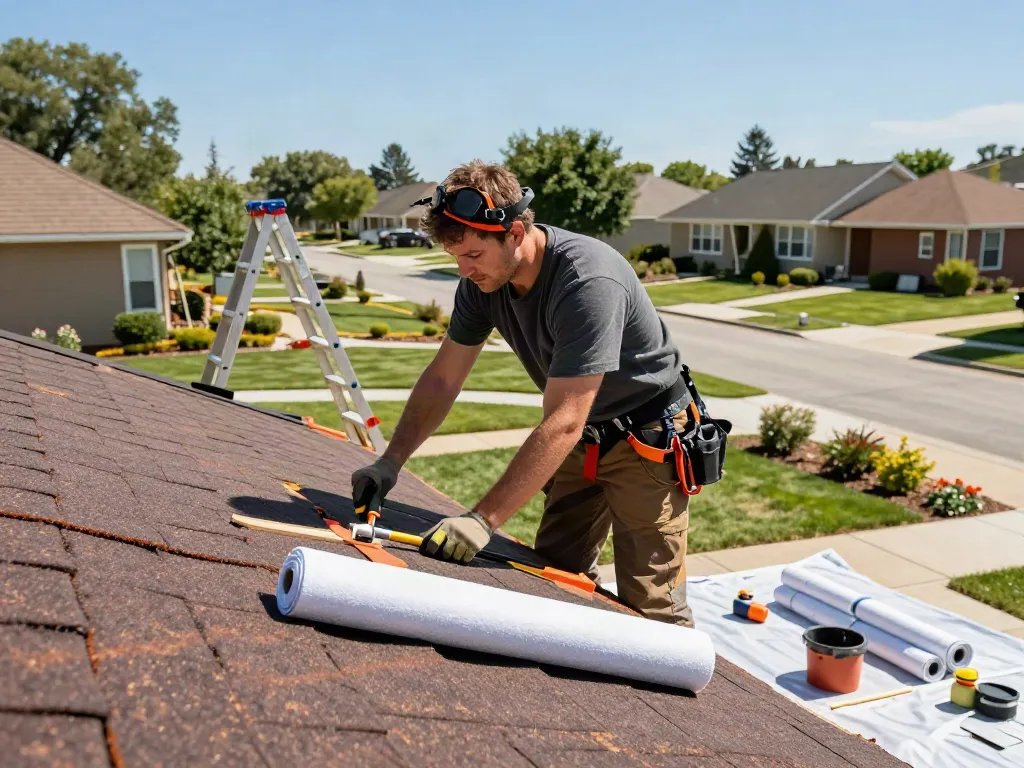
Understanding Felt Roofing: Key Concepts
Felt roofing, a popular choice for flat roofs across the UK, offers a durable and reliable solution for homeowners. This roofing system consists of layers of bitumen and felt materials that provide waterproof protection and insulation. Many homeowners prefer felt roofing for its affordability and practical applications, especially for garages, extensions, and porch roofs. When exploring options, felt roof replacement services can help ensure your roofing needs are met with expert craftsmanship.
What is Felt Roofing and Its Benefits?
Felt roofing is a versatile rooftop covering made from multiple layers of felt, which is typically fused with a bitumen adhesive to create a waterproof barrier. Its key benefits include:
- Cost-Effectiveness: Compared to other roofing materials, felt roofing is generally more affordable, making it an attractive option for budget-conscious homeowners.
- Easy Installation: Felt roofing can be installed quickly by experienced roofers, reducing labor costs and time.
- Waterproofing: The layered construction of felt roofing creates a waterproof seal that protects against leaks and water damage.
- Energy Efficiency: With proper insulation, felt roofs can reduce heat loss, leading to lower energy bills.
The Importance of Experienced Roofers for Replacement
The installation and replacement of felt roofing require specialized skills and knowledge. Without adequate experience, roofers may mishandle the materials, leading to serious issues such as leaks, poor insulation, and premature roof failure. It's essential to hire qualified professionals who can ensure that the replacement process adheres to industry standards. Homeowners should look for contractors who provide references and carry insurance to safeguard against potential mishaps.
Common Issues with Old Felt Roofs Requiring Replacement
Over time, felt roofs can develop a range of issues that necessitate replacement. Common problems include:
- Aging and Wear: Older felt roofs can become brittle and cracking, compromising their integrity and waterproof capabilities.
- Blistering: This occurs when moisture gets trapped beneath the surface, leading to bubbles and eventual leaks.
- Seam Failures: Poorly sealed seams may deteriorate, allowing water to seep in and cause structural damage.
- Inadequate Insulation: As insulation wears down, it can lead to heat loss and higher energy costs.
The Felt Roof Replacement Process Explained
Understanding the replacement process for felt roofing can help homeowners navigate their options more effectively. The steps generally include inspection, removal, installation, and finishing.
Step-by-Step Guide to Removing Old Felt Roofing
Before installing a new felt roof, the old roof must be removed. This process typically involves:
- Inspection: A thorough inspection of the existing roof to identify underlying issues.
- Removal: Carefully stripping off the old felt material without damaging the underlying structure.
- Clean Up: Ensuring the surface is clean and free from debris before proceeding with the new installation.
Choosing the Right Materials for Your Replacement
Selecting high-quality materials is crucial for the longevity of your new felt roof. Many professionals recommend using multiple layers of torch-on felt, which offers superior waterproofing and durability compared to traditional felt systems. Homeowners should consider factors like climate, the existing architecture, and budget when choosing materials.
Preparing Your Home for a Smooth Replacement Experience
Preparation is vital for a successful felt roof replacement. Homeowners should:
- Ensure easy access to the roof for contractors.
- Move any outdoor furniture or valuables away from the work area.
- Communicate any special requirements or concerns with the roofing team beforehand.
Cost Considerations for Felt Roof Replacement
The cost of replacing a felt roof can vary significantly based on various factors, including material choices, labor rates, and roof size. Understanding these factors can help homeowners budget appropriately.
Average Costs Associated with Felt Roof Replacement
On average, homeowners can expect to pay anywhere from £50 to £100 per square meter for felt roof replacement, depending on the complexity of the job and quality of materials used. High-quality torch-on felt may incur additional costs but is often more cost-effective long-term due to its durability.
Factors Influencing The Price of Replacement
Several key factors can influence the total cost of a felt roof replacement, including:
- Roof Size: Larger roofs will naturally require more materials and labor.
- Material Quality: Opting for high-grade materials may increase upfront costs but can save money on repairs and maintenance in the future.
- Location: Prices may differ based on geographical regions and the availability of skilled contractors.
- Structural Repairs: If significant damage is found during the removing process, additional costs may be necessary to repair the underlying structure.
How to Get Multiple Quotes for Better Value
To ensure you are getting the best value for your felt roof replacement, it's advisable to obtain multiple quotes. Homeowners can use online services to connect with several local contractors, compare their prices, and evaluate the proposals based on the materials and warranty offered. This practice not only saves money but also provides peace of mind.
Best Practices for Maintaining Your Felt Roof
After your felt roof replacement, maintaining it can extend its lifespan and prevent future issues. Regular inspections and simple maintenance tasks are essential.
Regular Inspections and Maintenance Tips
Homeowners should conduct regular inspections, particularly after severe weather events. Look for:
- Signs of water pooling or blistering.
- Loose seams or edges that require resealing.
- Debris buildup that might obstruct drainage.
It may also be beneficial to hire a professional roofing contractor to perform a thorough check-up annually.
Signs It’s Time for a Replacement
Recognizing the signs that it’s time for a replacement can save homeowners from costly repairs down the line. Some telltale signs include:
- Persistent leaks that cannot be repaired.
- Significant blistering or curling of the felt.
- Visible tears or large worn areas across the roof.
Longevity and Lifespan of Modern Felt Roofing Systems
Modern felt roofing systems, particularly torch-on varieties, are designed to last 15 to 20 years with proper maintenance. Factors such as climate, installation quality, and material grade significantly affect longevity.
Future Trends in Felt Roofing for 2026 and Beyond
As we look to the future of roofing, several trends are emerging that can impact felt roofing systems, particularly concerning materials, technology, and sustainability.
Innovations in Roofing Materials and Techniques
Advancements in roofing technology continue to evolve, leading to innovative materials and installation techniques. New membranes that enhance energy efficiency and provide better water resistance are becoming commonplace.
The Role of Sustainability in Modern Roofing
Sustainability is becoming increasingly important in the roofing industry. Homeowners are encouraged to consider environmentally-friendly materials that reduce carbon footprints while also providing excellent durability and efficiency.
Preparing for Future Weather Challenges with Your Roof
With climate change leading to more extreme weather conditions, it’s vital for homeowners to choose roofing solutions that can withstand heavy rain, snow, and UV exposure. Modern felt materials are being engineered for better performance under such conditions.
What Are the Latest Technologies in Roofing?
Technological advancements are also influencing roofing, with innovations like drone inspections, 3D modeling for precise measurements, and high-tech materials that adapt to environmental changes. Such technology can help improve the efficiency and effectiveness of felt roof installations and replacements.
Frequently Asked Questions about Felt Roof Replacement
Homeowners often have questions regarding felt roof replacement. Here are some common queries:
Can I refelt a roof myself?
While some homeowners may attempt DIY repairs, it’s generally recommended to hire a professional to ensure quality work and compliance with local regulations.
What is the life expectancy of a felt roof?
Typically, a well-maintained felt roof can last between 15 to 20 years, depending on installation quality and environmental factors.
Should you remove old felt when replacing a roof?
Yes, removing old felt is crucial to inspect the underlying structure and ensure optimal installation of new materials.
Can you put new felt on top of old felt?
In some cases, it might be possible, but this practice is not always recommended as it may trap moisture and cause future problems.