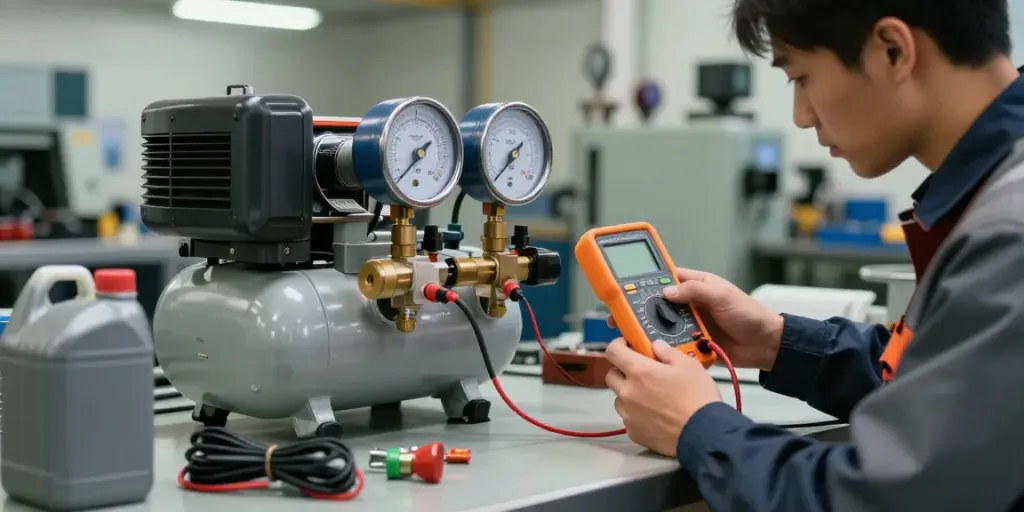
Understanding Air Compressor Pressure Switches
Air compressor pressure switches are essential components that manage the operation of air compressor systems. They control the compressor's motor by regulating pressure levels, ensuring efficient operation and safety. A well-functioning pressure switch can lead to operational efficiencies, enhanced equipment longevity, and reduced maintenance costs. For businesses operating in high-volume industries, selecting the right air compressor pressure switch is crucial.
What is an air compressor pressure switch?
An air compressor pressure switch is a mechanical device that activates or deactivates the compressor motor based on the pressure levels within the system. These switches work within a preset pressure range, ensuring that the air compressor operates efficiently and safely. When the tank pressure reaches a predefined set limit, the pressure switch shuts off the motor to prevent over-pressurization, and when the pressure drops below a certain point, it starts the motor again.
How pressure switches function: A technical overview
At its core, the pressure switch contains a diaphragm that responds to changes in pressure. When the tank pressure rises, it exerts force on the diaphragm, which eventually activates the switch mechanism. The switch then opens or closes the electrical circuit, engaging or disengaging the compressor motor. Understanding this functionality is vital for diagnosing operational issues or optimizing performance.
Key specifications and features to consider
- Pressure Range: Ensure the switch can handle the required PSI for your specific compressor model.
- Durability: Look for industrial-grade materials that can withstand harsh environments and prolonged use.
- Compatibility: The switch should be compatible with various brands and models to facilitate easy integration.
- Response Time: A quick response time is essential for maintaining consistent pressure levels.
- Electrical Ratings: Check the voltage and amperage ratings to ensure the switch can handle your compressor's electrical load.
Common Issues with Pressure Switches
Like any mechanical device, air compressor pressure switches can encounter various problems that inhibit their performance. Identifying and addressing these issues early can prevent more extensive damage to your compressor system.
Identifying problems: Troubleshooting your pressure switch
Common symptoms of a failing pressure switch include irregular cycling, failure to start, and visible damage. For instance, if the compressor motor keeps running even when the desired pressure is reached, it may indicate that the pressure switch is malfunctioning. Conversely, if the motor does not start at all, inspect the switch for corrosion or mechanical wear. Regular maintenance can significantly reduce failure rates.
Preventative maintenance tips
- Regularly check electrical connections for signs of wear or corrosion.
- Inspect the diaphragm and other mechanical components for damage.
- Ensure the compressor is running within the specified pressure range to avoid excessive strain on the switch.
- Clean the switch contacts periodically to prevent electrical failures.
When to replace and when to repair
Knowing when to repair or replace a pressure switch is crucial for optimal compressor functionality. If the switch shows signs of mechanical wear but continues to function adequately, a repair might suffice. However, if the switch frequently malfunctions or exhibits significant physical damage, replacement is often the more cost-effective solution in the long run.
Installation of Air Compressor Pressure Switches
Understanding how to properly install a pressure switch can significantly impact the performance and lifespan of your air compressor. A precise installation ensures optimal operation and safety.
Step-by-step guide to installing your pressure switch
- Disconnect Power: Before beginning any installation, ensure that the compressor is unplugged to avoid electrical shocks.
- Remove the Old Switch: Carefully disconnect the wiring and unscrew the old pressure switch. Take note of the connections to facilitate the new installation.
- Install the New Switch: Position the new pressure switch and secure it, making sure it aligns correctly with the compressor.
- Reconnect Wiring: Attach the wiring according to the notes taken earlier, ensuring secure and correct connections.
- Test Functionality: Power on the compressor and monitor the pressure levels to ensure the switch operates correctly.
Safety precautions during installation
Safety should always be a priority when working with electrical equipment. Always wear appropriate personal protective equipment (PPE), and double-check that all power sources are disconnected before starting the installation process. Additionally, ensure the area is well-ventilated to prevent the accumulation of harmful gases.
Tools and equipment needed for a successful installation
- Adjustable wrench
- Voltage tester
- Screwdriver set
- Safety goggles
- Protective gloves
Optimizing Performance with Quality Pressure Switches
Investing in high-quality pressure switches is vital for ensuring the efficiency and reliability of air compressor systems. Performance optimization can lead to significant cost savings and improved operational efficiencies.
The importance of quality in pressure switches for efficiency
Quality pressure switches minimize the risk of mechanical failures, leading to reduced downtime and maintenance costs. High-grade components are designed to last longer and perform reliably under varying conditions, which is particularly important in industrial settings.
Best practices for configuring settings
Configuring the pressure switch settings to match your compressor's specifications is critical. Always refer to the manufacturer's guidance, adjusting the cut-in and cut-out pressures within the recommended range to optimize performance. Regularly revisit these settings, especially after maintenance or repairs, to ensure continued efficiency.
Comparing OEM vs aftermarket pressure switches
When selecting pressure switches, you may encounter both OEM and aftermarket options. OEM switches are designed specifically for your equipment, usually ensuring the best fit and compatibility. In contrast, aftermarket switches can offer cost savings but may vary in quality. Weigh the pros and cons based on your specific needs and budget.
Future Trends in Air Compressor Technology
The air compressor industry is witnessing rapid evolution, driven by advancements in technology, energy efficiency demands, and automation. Understanding these trends can help businesses prepare for future challenges and opportunities.
Emerging technologies impacting pressure switches by 2026
Future developments in sensor technology and smart integration are expected to enhance the functionality of pressure switches considerably. Innovations such as IoT capabilities could allow for remote monitoring and diagnostic capabilities, increasing operational efficiency and reducing the need for on-site inspections.
Sustainability and energy efficiency advancements
As industries strive to reduce their carbon footprint, pressure switch designs will increasingly focus on energy conservation. This could involve more efficient control algorithms that minimize energy consumption, thereby reducing operating costs and environmental impact.
The role of automation in pressure switch applications
Automation is set to revolutionize how pressure switches operate, allowing for real-time adjustments based on demand and operational conditions. This shift towards smart technologies will help enhance the reliability and efficiency of air compressor systems.
How to maintain robust inventory and supply chains
As the market becomes more competitive, maintaining a robust inventory and supply chain management system is essential. Businesses should consider leveraging technology like predictive analytics to better anticipate demand and manage stock levels effectively.
Will pressure switches evolve with smart technology?
The integration of smart technology into pressure switches will likely become standard practice, enabling enhanced monitoring, diagnostics, and control features. This evolution will empower businesses to optimize performance and minimize downtime through predictive maintenance.