Anchors for Boats: How to Choose the Right One for Safe Mooring
Every successful boating trip begins with proper preparation, and one piece of equipment that should never be overlooked is the anchor. Whether you're planning a relaxing day on a lake, fishing offshore, or enjoying a coastal adventure, having the right anchor ensures your boat stays securely in place when you need it most.
Many boat owners focus on engines, navigation systems, and safety gear, but a dependable anchor is equally important. It helps protect your boat from drifting and gives you confidence to enjoy your time on the water without constantly worrying about changing winds or currents.
An anchor is designed to grip the seabed and prevent your boat from moving. While this may sound simple, different underwater surfaces require different anchor designs. A quality anchor improves safety, protects nearby boats, and makes activities like swimming, fishing, or relaxing much more enjoyable.
Poor anchoring equipment can result in unwanted drifting, which may lead to dangerous situations or damage to your vessel. Choosing the correct anchor is an investment in both safety and convenience.
Understanding Different Anchor Types
There is no single anchor that performs perfectly in every environment. Each design has strengths depending on the seabed and boating conditions.
Fluke anchors are an excellent choice for sandy or muddy bottoms because they dig in quickly and offer impressive holding power.
Plow anchors are well known for their versatility. They perform reliably on mixed seabeds and continue holding even when wind or tidal conditions change.
Claw anchors are popular among recreational boaters due to their dependable performance across various bottom types and their ease of use.
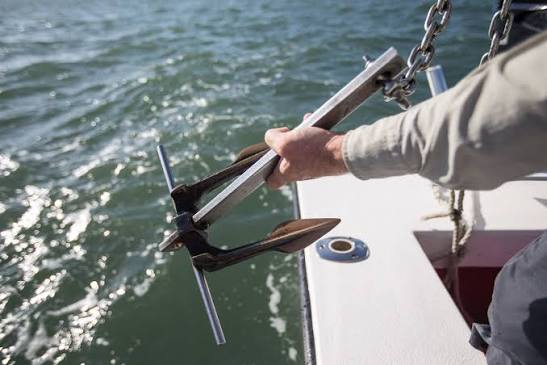
Grapnel anchors are compact and lightweight, making them ideal for smaller boats, kayaks, and personal watercraft.
Understanding these differences helps boat owners choose equipment that matches their typical boating locations.
Choosing the Correct Size
Selecting the proper anchor size is just as important as choosing the right style. A lightweight anchor may not provide enough holding strength for a larger vessel, while an oversized anchor can become unnecessarily difficult to handle.
Manufacturers usually recommend anchor sizes based on boat length and weight. However, local weather conditions should also be considered. Boats operating in areas with stronger winds or currents often benefit from using a slightly heavier anchor for added security.
Factors That Affect Holding Power
Several elements influence how well an anchor performs:
- Seabed composition
- Wind speed
- Water current
- Boat size and weight
- Anchor design
- Length of rope and chain used
Even the highest-quality anchor cannot perform effectively if it is not deployed correctly. Proper anchoring techniques are just as important as the equipment itself.
Best Practices for Anchoring
Safe anchoring begins with selecting a suitable location. Avoid areas with underwater obstacles whenever possible, and always check the water depth before dropping the anchor.
Lower the anchor slowly instead of throwing it into the water. Once it reaches the bottom, allow the boat to drift back naturally while gradually releasing additional line. This helps the anchor settle firmly into the seabed.
After setting the anchor, gently reverse the boat to confirm that it is holding securely. Taking a few extra minutes to test the anchor can prevent problems later.
Maintaining Your Anchor
Regular maintenance keeps anchoring equipment in excellent working condition. After each trip, rinse the anchor with fresh water to remove salt, sand, and debris. Inspect it for signs of corrosion, bent parts, or excessive wear.
The rope and chain should also be checked regularly. Replacing worn components before they fail is much safer than discovering a problem while you're already on the water.
Final Thoughts
Reliable Anchors are an essential part of every boat owner's equipment. Choosing the right type, selecting the correct size, and using proper anchoring techniques can significantly improve safety and make every outing more enjoyable.
Whether you're exploring peaceful lakes, navigating rivers, or spending time along the coast, investing in a dependable anchor ensures your boat remains secure whenever it's time to stop and enjoy the water.