The Importance of Commercial Scaffolding Services
In the ever-evolving landscape of construction and renovation, commercial scaffolding has emerged as a critical component in ensuring safe and efficient project execution. As businesses grow and urban landscapes change, the demand for robust scaffolding solutions becomes paramount, offering support not just for workers but also for the structural integrity of buildings during intensive work periods. This article delves into the multifaceted advantages of commercial scaffolding, dispelling common myths, and providing insight into best practices for project planning and execution.
Understanding Commercial Scaffolding
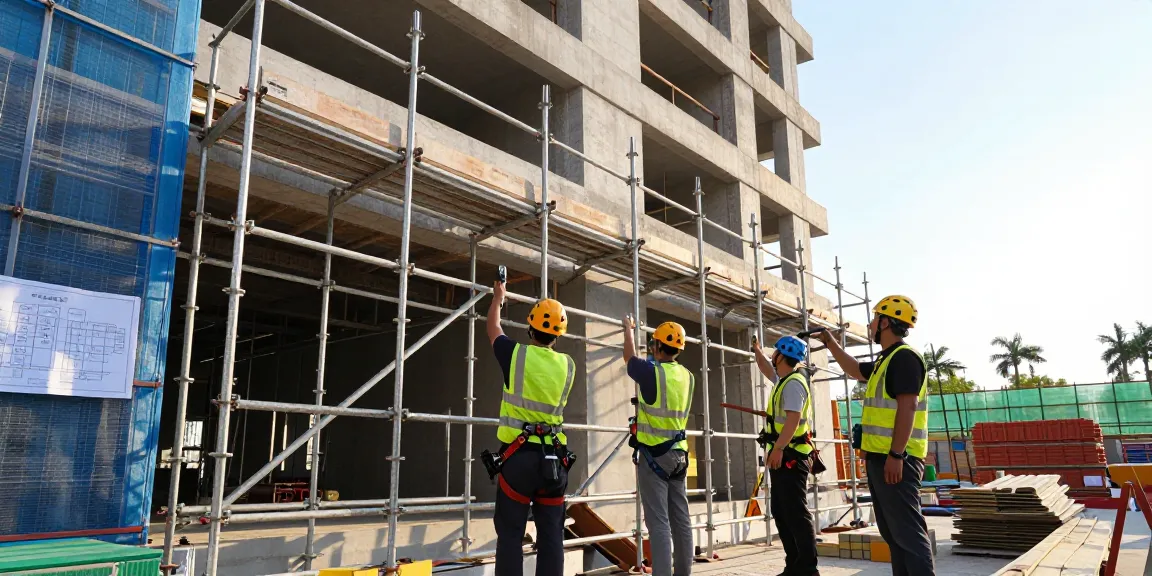
Commercial scaffolding is a temporary structure that provides access to elevated areas during construction, maintenance, and renovation projects. Designed to support both workers and materials, scaffolding systems are essential for ensuring the safety and efficiency of commercial developments. The complexity of commercial scaffolding solutions often varies based on project-specific requirements, such as the building's height, structure type, and environmental conditions.
Key Benefits for Commercial Projects
- Safety: Scaffolding systems enhance worker safety by providing stable platforms to work from, minimizing the risk of falls and accidents.
- Efficiency: Proper scaffolding allows teams to complete tasks faster, reducing labor costs and overall project timelines.
- Accessibility: Scaffolding bridges the gap between ground level and hard-to-reach areas, facilitating the work of tradespeople across a variety of disciplines.
- Flexibility: Many scaffolding systems can be customized or adapted to fit the unique challenges of a project, making them versatile solutions in the field.
Common Misconceptions About Scaffolding
There are several misconceptions related to scaffolding that can hinder safety and efficiency. One common myth is that scaffolding is only necessary for large-scale projects. In reality, even smaller renovations can benefit significantly from appropriate scaffolding solutions. Another misconception is that all scaffolding is the same; in fact, different projects require different types of scaffolding, tailored to specific tasks and environmental conditions.
Types of Commercial Scaffolding Solutions
Temporary vs. Permanent Scaffolding
Scaffolding can be categorized into two main types: temporary and permanent. Temporary scaffolding is used for short-term projects where access is required only for a limited duration, while permanent scaffolding provides ongoing support for maintenance and access throughout the lifespan of a building. Understanding the difference is crucial for project planners to ensure the right system is employed for each job.
Specific Applications in Renovation Projects
In renovation projects, scaffolding serves critical roles such as providing safe access for workers, supporting materials and equipment, and enabling inspections at various stages. For example, during roofing projects, scaffolding is necessary to ensure safe access to pitched roofs, which can be perilous without adequate support. Additionally, for multi-storey buildings, scaffolding allows for simultaneous work on multiple floors, expediting the renovation process.
Choosing the Right Type for Your Project
Selecting the right scaffolding type depends on various factors including the project scale, budget, and specific site conditions. Consulting with a professional scaffolding provider can ensure that the right type of scaffolding is chosen to meet safety standards and project requirements. Factors such as load-bearing capacity, accessibility, and time constraints should all be considered during the selection process.
Planning Your Commercial Scaffolding Project
Key Steps in Project Planning
Effective project planning is crucial for scaffolding success. Start by outlining the project's specific needs; consider the building's dimensions, the nature of the work, and the required safety measures. Engaging with a scaffolding expert early in the planning process can help ensure that all critical factors are taken into account, allowing for a comprehensive and efficient scaffolding solution.
Permits and Regulations to Consider
Before commencing a scaffolding project, it is vital to secure the necessary permits and adhere to local regulations. Depending on the scope of work and location, regulations may differ significantly, so collaborating with local authorities can help navigate the complexities of compliance. Failing to obtain the required permits can lead to project delays, fines, and safety hazards.
Timeline Considerations for Erection and Dismantling
Establishing a clear timeline for scaffolding erection and dismantling is essential. Factors influencing this timeline include site accessibility, the complexity of the scaffold system, and weather conditions. On average, scaffolding installation can take anywhere from a few hours to several days, depending on these variables. Planning for unexpected delays can help keep projects on schedule.
Best Practices for Scaffolding Safety
Safety Protocols Every Team Must Follow
Safety should always be the top priority in scaffolding projects. Protocols should include the use of personal protective equipment (PPE), regular safety briefings, and adherence to industry-leading practices. Workers should be trained in scaffold safety measures and emergency response procedures to ensure a safe working environment.
Regular Maintenance and Inspections
Routine inspections and maintenance of scaffolding systems are critical to ensuring ongoing safety and compliance. All scaffolding must be routinely checked for structural integrity, stability, and wear. Implementing a robust inspection routine helps identify potential issues before they escalate, reducing the risk of accidents on the job site.
Training Programs for Scaffolders
Investing in training programs for scaffolders enhances both safety and efficiency. Ongoing education about industry standards, safety practices, and new technologies can empower workers, promoting a culture of safety and competence on site. Training should be tailored to include both theoretical knowledge and practical skills, ensuring scaffolders are well-equipped to meet the demands of their work.
Future Trends in Commercial Scaffolding by 2026
Innovations in Scaffolding Technology
As the construction industry evolves, advancements in scaffolding technology continue to emerge. Innovations such as modular scaffolding systems, which allow for rapid assembly and disassembly, are gaining traction. These systems not only save time but also enhance safety, as they can be designed to cater to specific project needs effectively.
Shifts in Industry Standards and Regulations
By 2026, we can expect significant changes in industry standards and regulations as safety protocols become more stringent. Regulatory bodies will likely introduce more rigorous compliance measures, focusing on the safety and health of construction workers. Staying informed and adapting to these changes will be crucial for scaffolding service providers and construction companies alike.
The Impact of Sustainability on Scaffolding Services
Sustainability has become a focal point across industries, including construction. By 2026, scaffolding providers may adopt more eco-friendly materials and practices, reducing waste and minimizing environmental impact during construction projects. This trend will not only help meet regulatory requirements but also align with the growing demand for sustainable construction practices among businesses and consumers alike.
What are the different types of scaffolding?
There are several types of scaffolding, including steel scaffolding, aluminum scaffolding, and wood scaffolding, each serving distinct purposes and suitability based on project requirements. Understanding these types and their applications is essential for making informed decisions during project planning.
How to choose a scaffolding provider?
Selecting a scaffolding provider requires careful consideration of their experience, safety track record, and client testimonials. It's advisable to request quotes and compare services offered by different providers to ensure you choose a partner that aligns with your specific project needs.
What safety certifications should scaffolders have?
Scaffolders should possess relevant safety certifications that demonstrate their competency in scaffolding practices. Common certifications include OSHA (Occupational Safety and Health Administration) training and other specialized scaffolding safety courses. Ensuring that scaffolders have valid certifications is crucial for maintaining a safe work environment.
How long does scaffolding installation typically take?
The duration for scaffolding installation largely depends on the complexity and size of the project; on average, it can range from a few hours for simple installations to several days for larger scale projects. Planning and coordination are essential to streamline the process while maintaining safety standards throughout.
What are the costs associated with commercial scaffolding?
Costs for commercial scaffolding can vary significantly based on several factors, including the type of scaffolding used, project duration, and site conditions. It's important to obtain detailed quotes from scaffolding providers to prepare accurate budget estimates for your projects.